Youth Academy Pipelines and Their Overlooked Role in Shaping Positional Dominance Across Premier Soccer Leagues, NBA Rosters, and NFL Drafts
Sofia Lorenz · Nov 18, 2026
Youth Academy Pipelines and Their Overlooked Role in Shaping Positional Dominance Across Premier Soccer Leagues, NBA Rosters, and NFL Drafts
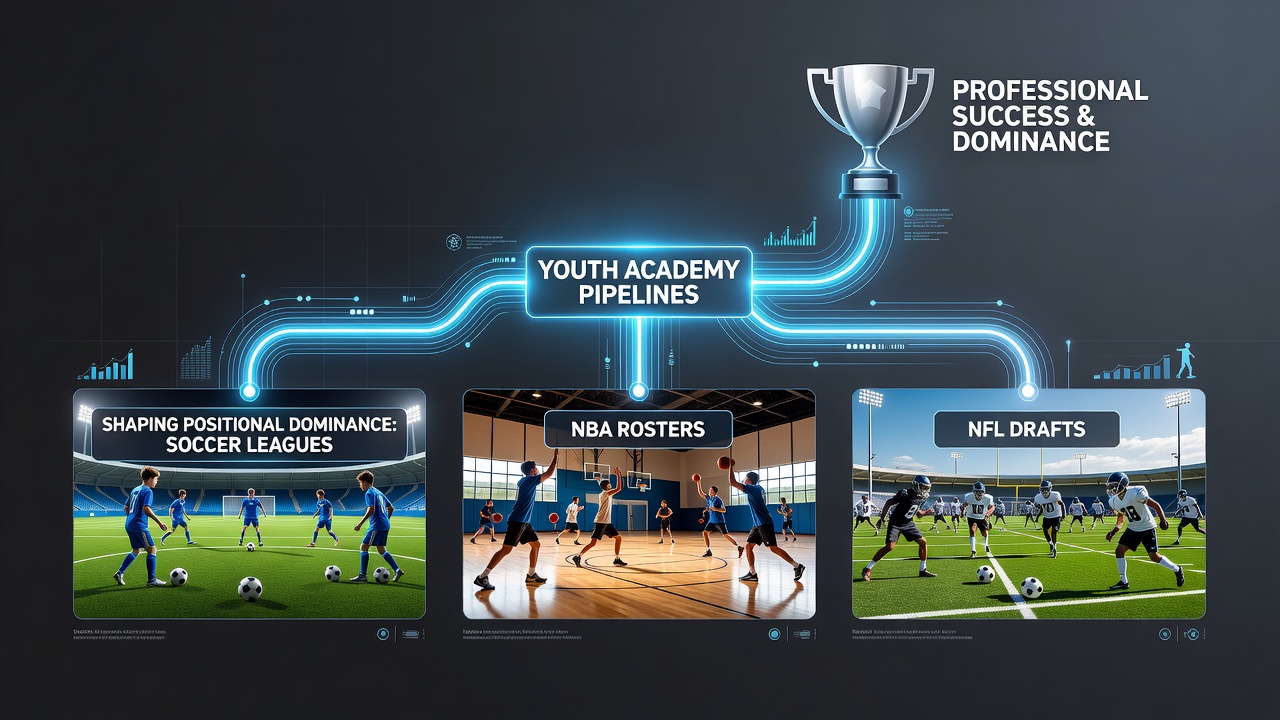
Youth academy systems have long fed talent into top professional leagues, yet their specific influence on positional dominance often receives less attention than transfer spending or senior coaching changes. Data from major soccer competitions shows that structured youth pathways produce clusters of players who excel in particular roles, such as full-backs or central midfielders, and similar patterns appear in basketball and American football development routes.
Soccer Academies and Positional Patterns in European Leagues
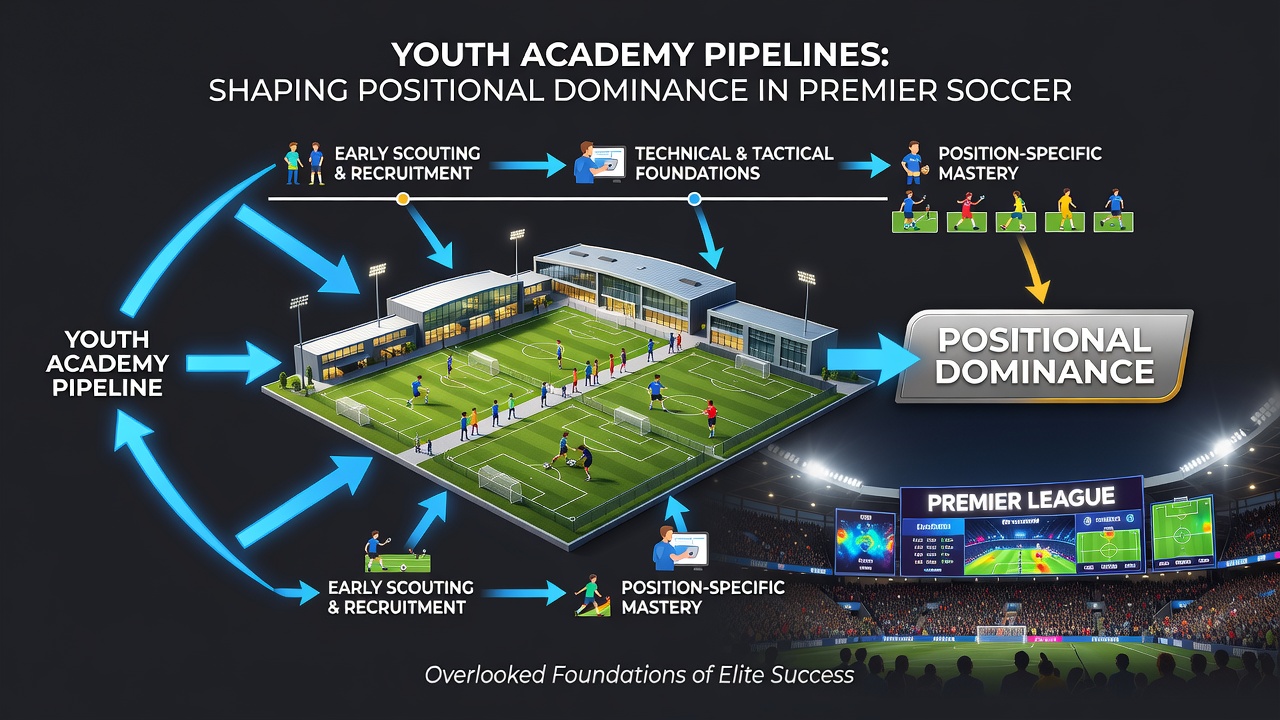
Premier League clubs and their counterparts in La Liga, Serie A, and the Bundesliga maintain extensive youth setups that track player progress from age groups as early as under-9 through to senior squads. According to UEFA development reports, academies emphasize technical drills tailored to positions, which leads to measurable outcomes in match data. For instance, La Masia graduates at Barcelona have supplied a high percentage of elite central defenders and midfield orchestrators over multiple seasons, while Ajax and PSV Eindhoven pipelines in the Netherlands frequently contribute technically proficient full-backs who transition into starting roles across top divisions.
These pipelines operate through coordinated scouting networks and age-specific coaching curricula that prioritize ball-playing ability in defensive positions or high-pressing coordination in forward areas. League statistics compiled through November 2026 indicate that homegrown players from such systems occupy starting spots in central midfield at rates exceeding 35 percent in several Premier League clubs, a figure that reflects years of positional coaching rather than late-stage recruitment alone. Observers note that this concentration creates positional advantages because players share similar tactical vocabularies from their academy days, allowing seamless integration into first-team systems.
Development Routes Feeding NBA Rosters
In basketball, formal youth academies exist on a smaller scale than in soccer, yet structured programs through AAU circuits, high school academies, and international development centers shape positional supply lines for NBA teams. Data from league tracking shows that players who complete specialized guard or forward training modules in these environments often record higher assist-to-turnover ratios or rebounding percentages once they reach professional rosters. European clubs with basketball youth sections, such as those affiliated with Real Madrid or Partizan Belgrade, export perimeter players who bring refined shooting mechanics and defensive positioning honed over years of academy play.
College programs in the United States function as the primary bridge to NBA drafts, and certain universities maintain feeder relationships that produce repeated clusters of players at specific positions. NCAA participation figures reveal that programs with dedicated post-player development pipelines contribute a disproportionate share of centers and power forwards selected in early draft rounds. These pathways rely on biomechanical feedback and video analysis introduced during teenage years, which accelerates the transition to professional spacing and pick-and-roll responsibilities.
NFL Draft Pipelines and Positional Supply
The NFL relies on college football as its main talent source, but youth and high school academies play an upstream role in identifying and refining quarterbacks, offensive linemen, and defensive backs before they reach university programs. Scouting data from the 2026 draft cycle shows that prospects who participated in regional quarterback academies or position-specific combines during their high school years posted higher completion percentages and lower interception rates in college, factors that translate directly into draft stock. Organizations such as the NCAA compile annual reports that track how early positional coaching correlates with starter longevity at the professional level.
International pathways add another layer, as athletes from Canada and Australia who train through structured rugby-to-football transition programs occasionally enter NFL drafts as tight ends or edge rushers. These routes highlight how foundational academy work in speed, footwork, and decision-making creates positional depth that teams exploit during roster construction. Figures from league combine measurements indicate that players with documented academy backgrounds in agility and coverage drills frequently rank higher in positional athletic testing categories.
Connecting Academy Structures Across Sports
Common threads run through these systems despite differences in sport rules and geography. Academies in all three domains use periodized training that isolates positional demands, from set-piece routines in soccer to screen-setting angles in basketball or pass-rush counters in football. Research published by sports science institutions in Australia and Canada demonstrates that athletes exposed to such targeted development maintain performance edges in their primary positions well into professional careers. The result appears in roster construction trends, where general managers prioritize academy pedigrees when addressing gaps at premium positions like goalkeeper, point guard, or quarterback.
Cross-border exchanges further amplify these effects. Premier League clubs loan young players to lower-division sides while retaining academy oversight, a practice mirrored in NBA G League assignments and NFL practice squad rotations. This staged progression allows positional skills to mature under controlled conditions before full integration into starting lineups.
Conclusion
Youth academy pipelines exert steady influence on which positions teams dominate through sustained investment in early-age specialization and data-driven coaching. League records through late 2026 continue to reflect these patterns, as clubs that maintain robust development structures secure repeated advantages in key positional groups without relying solely on external transfers. The mechanisms remain consistent across soccer, basketball, and football: focused training, progressive competition, and shared tactical foundations that convert academy graduates into reliable starters at the highest levels.