Geographic Relocations and Performance Metrics in Athletes Transitioning Across Baseball, Soccer, and Olympic Disciplines
David Jenkins · Sep 23, 2026
Geographic Relocations and Performance Metrics in Athletes Transitioning Across Baseball, Soccer, and Olympic Disciplines
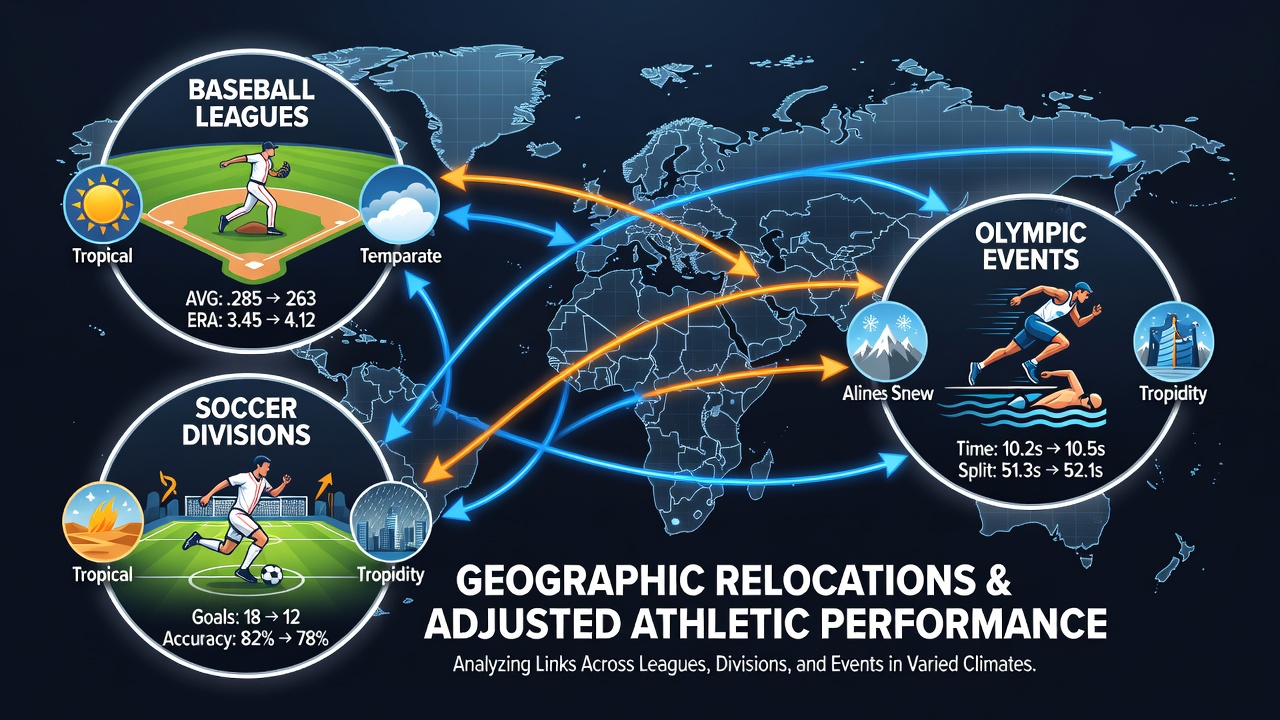
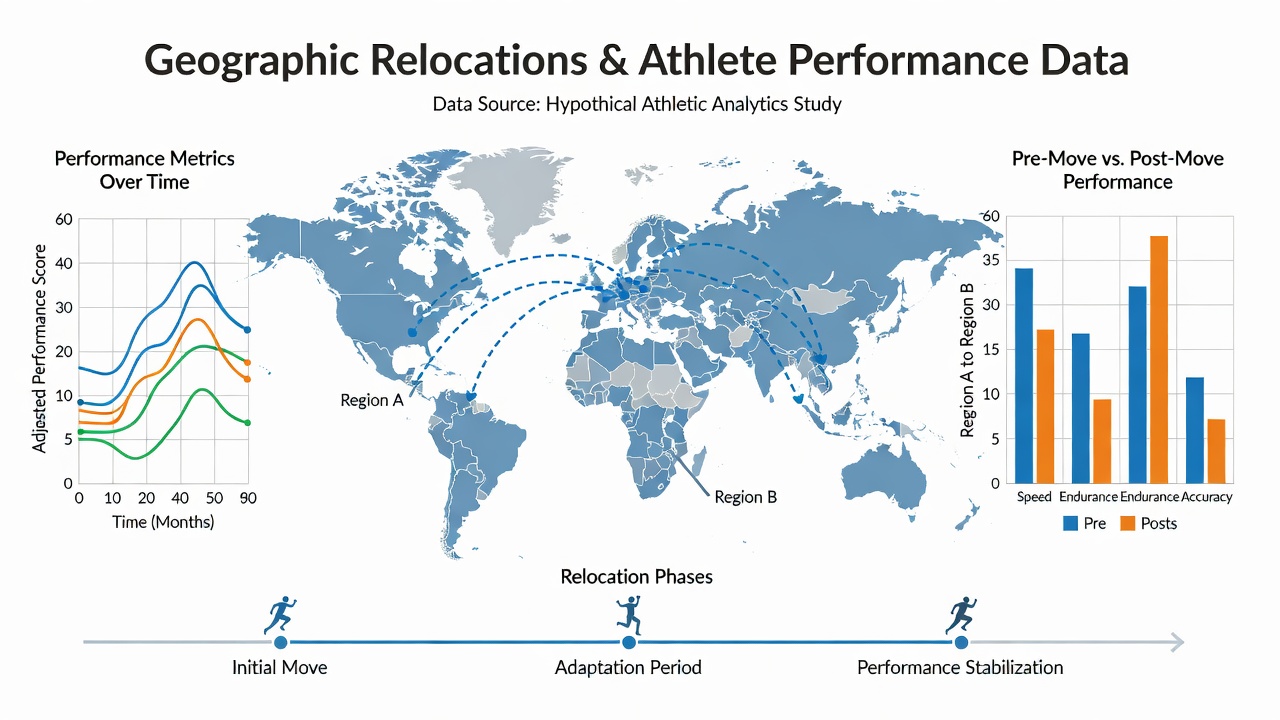
Geographic relocations among athletes competing in baseball leagues, soccer divisions, and Olympic events produce measurable shifts in performance statistics when climates differ substantially from prior environments, and researchers track these patterns through adjusted metrics such as batting averages, passing completion rates, and event times. Data collected from multiple seasons reveal that players moving from temperate zones to tropical or high-altitude regions often require several months for physiological adaptations that stabilize output levels. Observers note consistent trends where initial declines in key indicators appear within the first 30 to 60 days after relocation, followed by gradual recovery as training regimens incorporate local environmental factors.
Baseball League Transitions and Climate Adjustments
Players shifting between Major League Baseball and leagues in Japan or Latin America encounter humidity and temperature variations that influence swing mechanics and pitch velocity, while statistics from organizations like the Australian Institute of Sport document how batters from cooler climates post lower on-base percentages in the first half of a new season before rebounding. Pitchers experience parallel effects, with earned run averages rising initially in warmer venues due to reduced recovery times between starts. Teams adjust scouting reports accordingly, incorporating climate-specific data that accounts for ball flight changes at different elevations and moisture levels.
Soccer Division Movements Across Regions
Transfers between European soccer divisions and those in South America or Asia show similar patterns, where midfielders and forwards relocating to hotter or more humid leagues record fewer successful passes per match during early adaptation periods. Studies compiled by researchers at the University of Queensland indicate that high-intensity running distances drop by an average of 8 to 12 percent in the opening eight weeks for athletes moving from northern European climates to equatorial zones. Defenders face added demands from altered grass surfaces and recovery protocols, yet performance data normalizes once acclimatization protocols emphasize hydration schedules and modified interval training. As of September 2026, ongoing monitoring programs continue to refine these adjustment timelines based on recent cross-division transfers.
Olympic Event Athletes and Multi-Climate Training
Olympic competitors who relocate training bases between events in alpine, coastal, and arid settings demonstrate adjusted performance data across disciplines such as track, swimming, and endurance races. Times in middle-distance events lengthen initially when athletes shift from sea-level preparation to high-altitude camps, although red blood cell adaptations eventually support improved oxygen utilization upon return to competition venues. Data from multi-year tracking efforts highlight that swimmers moving between indoor controlled environments and outdoor pools in variable weather conditions maintain stroke efficiency better when coaches integrate environmental simulation into daily sessions. Those who've studied relocation effects note that Olympic schedules spanning different hemispheres amplify these variables, requiring precise scheduling of peak training blocks.
Integrated Data Analysis Across Sports
Combined datasets from baseball, soccer, and Olympic movements allow analysts to identify common adaptation windows regardless of sport, with performance metrics stabilizing between 90 and 120 days post-relocation in most cases. Factors such as prior exposure to similar climates, age of the athlete, and support staff resources influence the speed of recovery in key statistics. Teams and national programs increasingly employ wearable technology to monitor heart rate variability and sleep patterns during these transitions, producing individualized adjustment forecasts rather than generalized models. What's significant is how these tools connect environmental data with on-field outcomes, revealing that proactive climate preparation reduces the magnitude of early performance dips across all examined sports.
Conclusion
Performance records from athletes who relocate between baseball leagues, soccer divisions, and Olympic events in varied climates continue to supply detailed information on adaptation processes, and organizations apply these insights to refine preparation strategies for future moves. Continued collection of adjusted metrics supports more accurate predictions of output stabilization timelines, benefiting both individual competitors and coaching staffs who manage cross-regional transitions.